
If you’ve ever stared at a keto app trying to figure out what “macros” even means, you’re not alone. I used to think keto macros were far more complicated than they actually were. I pictured spreadsheets, food scales, and hours of math just to eat dinner.
Here’s the truth: once you understand the basics, tracking keto macros becomes second nature. This guide breaks everything down step by step, so you can start eating in a way that supports fat loss without feeling overwhelmed.
By the end of this post, you’ll know exactly what keto macros are, how to calculate yours, which foods make hitting them easy, and you’ll have a full 7-day meal plan with macros already worked out for you. Let’s get into it.
A quick note before we start: results vary from person to person, and keto isn’t the right fit for everyone. If you have a medical condition or take medication, please talk to your doctor or a registered dietitian before making significant changes to your diet. This guide is meant to educate, not replace professional medical advice.
What Are Keto Macros?
“Macros” is just short for macronutrients — the three main nutrients your body needs in large amounts: fat, protein, and carbohydrates. On keto, you’re shifting the ratio of these three so your body burns fat for fuel instead of carbs.
Here’s a simple breakdown:
- Fat becomes your primary energy source. It’s why keto meals include things like avocado, olive oil, butter, and fatty cuts of meat.
- Protein is kept moderate. It helps preserve muscle, keeps you full, and supports recovery — but too much can slow down ketosis for some people.
- Net carbs are total carbohydrates minus fiber. This number matters more than total carbs because fiber doesn’t spike blood sugar the same way.
- Calories still count. Keto isn’t a free pass to eat unlimited amounts of high-fat food if weight loss is the goal — your body still needs a calorie deficit to lose fat.
The first time I tracked my meals, I realized I wasn’t eating enough protein. I was so focused on “high fat” that I forgot protein was just as important for feeling satisfied and preserving muscle while losing weight.
Recommended Keto Macro Ratios
Most beginner keto plans for weight loss fall somewhere in this range:
| Macro | % of Daily Calories | Grams (on 1,800 calories) |
|---|---|---|
| Fat | 65–75% | ~140–150g |
| Protein | 20–25% | ~90–110g |
| Net Carbs | 5–10% | ~20–30g |
This isn’t one-size-fits-all. Some people do better with slightly more protein, especially if they’re active or trying to preserve muscle while losing fat. The ratios above are simply a helpful starting point, not a strict rule.
How to Calculate Your Keto Macros
You don’t need to be a math whiz for this. Here’s the simple version:
- Figure out your daily calorie target. This depends on your age, activity level, current weight, and goals. A moderate calorie deficit (about 300–500 calories below maintenance) is a common and sustainable starting point for weight loss.
- Set your net carbs first. Most beginners aim for 20–30g of net carbs per day to reach and stay in ketosis.
- Set your protein next. A common range is about 0.6–0.8 grams of protein per pound of goal body weight.
- Fill the rest with fat. Whatever calories are left after carbs and protein get filled in with fat.
Individual needs vary quite a bit depending on your age, activity level, body size, and specific goals, so treat any calculator as a starting point you’ll adjust based on how your body responds over the first couple of weeks.
If typing all this out feels tedious, a keto macro calculator can do the math for you in seconds — you just plug in your stats and goals.
Want an Easier Way to Plan Your Keto Meals?
If crunching numbers isn’t your thing, you don’t have to do this alone. There’s a free Ultimate Keto Meal Plan eBook that takes the macro principles above and turns them into ready-made keto meal ideas, so you can apply everything you just learned without building a plan from scratch.
Foods That Make Hitting Your Macros Easier
Stocking your kitchen with the right staples makes hitting your daily numbers so much simpler.
Protein
- Chicken thighs and breasts
- Eggs
- Ground beef
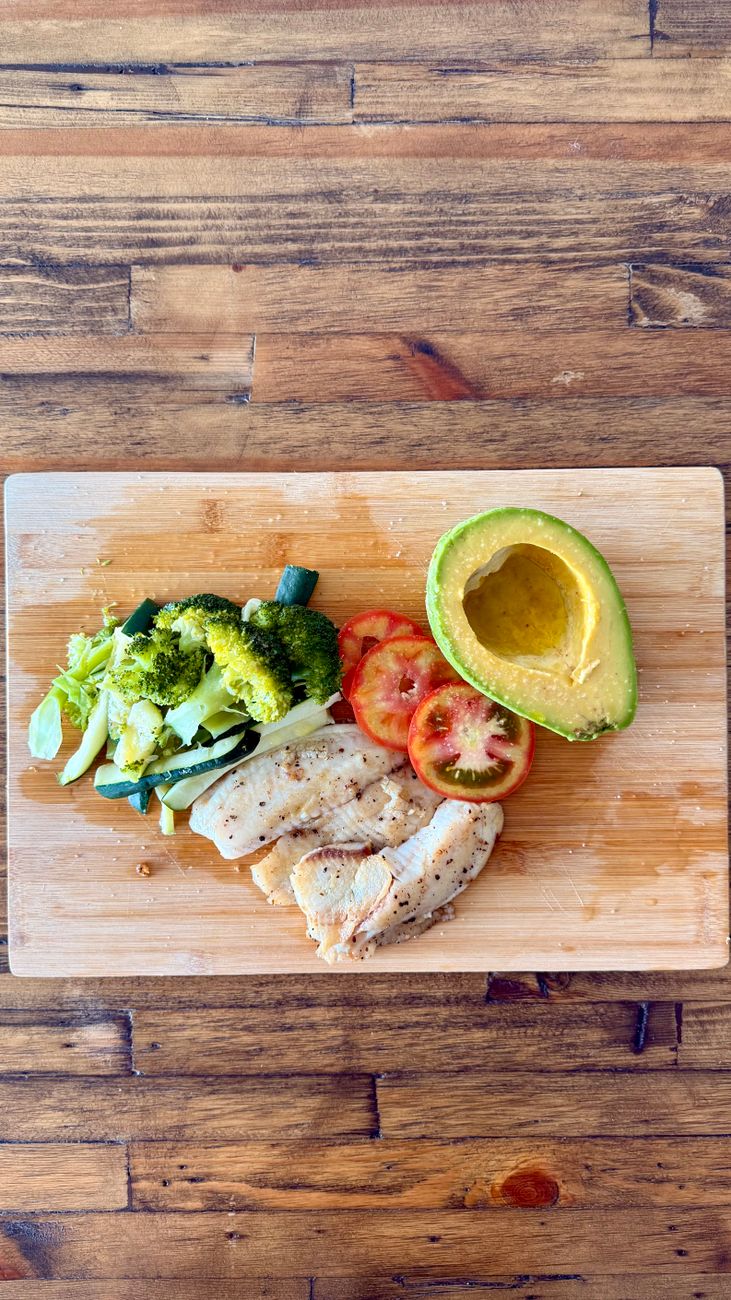
- Salmon and other fatty fish
- Pork chops
- Shrimp
- Turkey
Healthy Fats
- Avocado and avocado oil
- Olive oil
- Butter and ghee
- Coconut oil
- Nuts (macadamia, almonds, pecans)
- Nut butters
Vegetables
- Spinach and leafy greens
- Broccoli and cauliflower
- Zucchini
- Bell peppers
- Asparagus
- Mushrooms
Dairy
- Full-fat Greek yogurt (unsweetened)
- Cheese (cheddar, mozzarella, cream cheese)
- Heavy cream
- Cottage cheese
Snacks
- Hard-boiled eggs
- String cheese
- Pork rinds
- Olives
- Celery with cream cheese
Pantry Staples
- Almond flour
- Coconut flour
- Sugar-free ketchup and sauces
- Bone broth
- Canned tuna or salmon
7-Day Keto Meal Plan with Macros
Meal prepping a few proteins each weekend made hitting my macros much easier during the week. This plan uses simple, common grocery ingredients so you’re not hunting down anything exotic.
| Day | Breakfast | Lunch | Dinner | Snack | Calories | Protein (g) | Fat (g) | Net Carbs (g) |
|---|---|---|---|---|---|---|---|---|
| Mon | 2 eggs + 2 strips bacon + ½ avocado | Chicken Caesar salad (no croutons) | Grilled salmon + buttered asparagus | String cheese | 1,720 | 105 | 128 | 18 |
| Tue | Greek yogurt + almond butter + chia seeds | Turkey lettuce wraps + mayo | Beef stir-fry with broccoli | Handful of macadamias | 1,780 | 100 | 135 | 20 |
| Wed | Spinach & cheese omelet | Tuna salad lettuce cups | Pork chops + roasted zucchini | Celery + cream cheese | 1,700 | 110 | 125 | 15 |
| Thu | Cottage cheese + berries (small portion) | Cobb salad with ranch | Chicken thighs + cauliflower mash | Hard-boiled egg | 1,750 | 108 | 130 | 22 |
| Fri | Bulletproof coffee + 2 eggs | Egg salad lettuce wraps | Shrimp scampi (zucchini noodles) | Olives | 1,690 | 98 | 132 | 16 |
| Sat | Sausage + eggs + sautéed spinach | Leftover chicken thighs + side salad | Ground beef taco bowls (no shell) | Pork rinds | 1,800 | 112 | 138 | 20 |
| Sun | Omelet with mushrooms + cheese | Salmon salad over greens | Roast chicken + green beans | Almonds | 1,730 | 106 | 129 | 17 |
Portions are approximate. Adjust serving sizes up or down based on your own calculated macros above.
Weekly Keto Grocery List
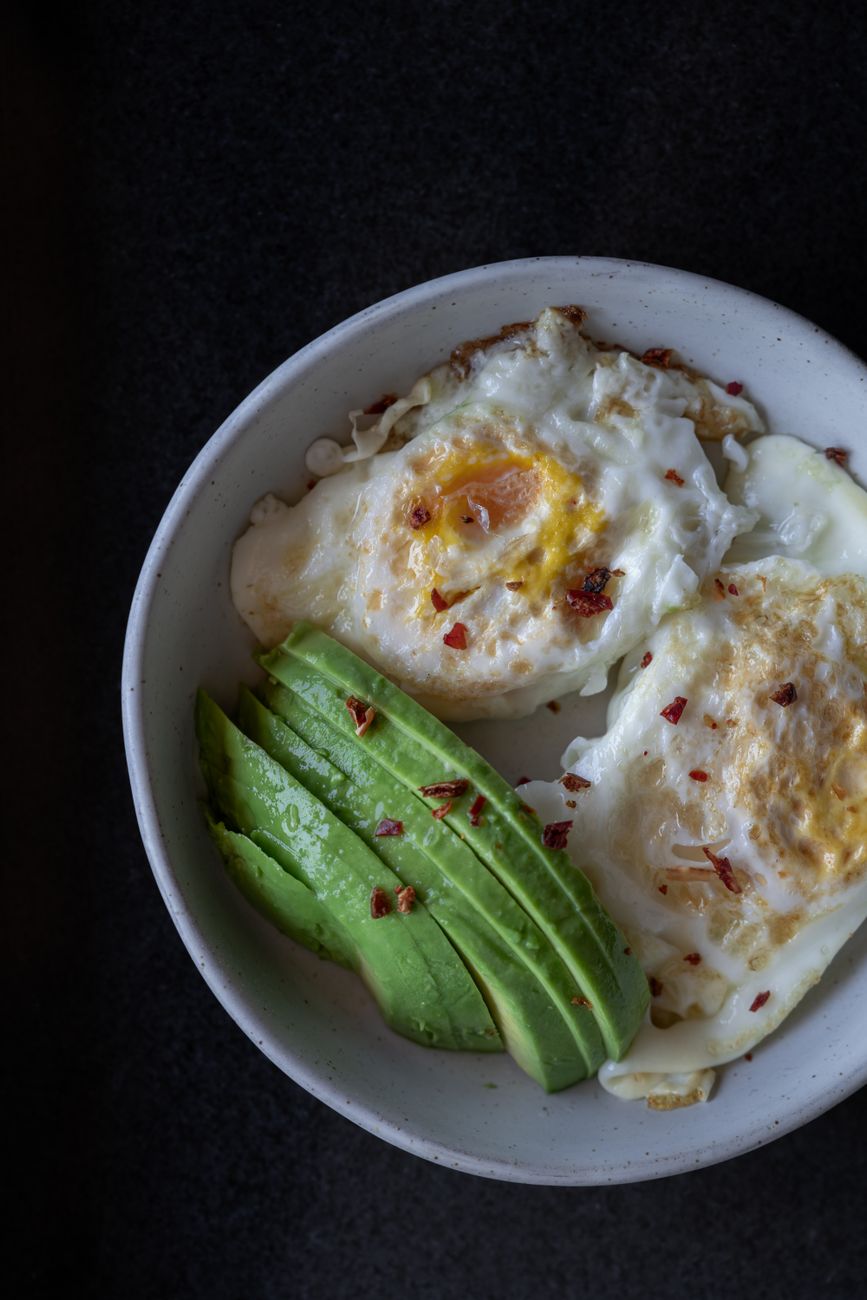
Proteins: eggs, bacon, chicken thighs and breasts, ground beef, pork chops, salmon, shrimp, tuna, sausage
Produce: avocado, spinach, broccoli, cauliflower, zucchini, asparagus, mushrooms, lettuce, celery, bell peppers, green beans, berries (small amounts)
Dairy: cheese, heavy cream, Greek yogurt, cottage cheese, butter
Pantry & Fats: olive oil, avocado oil, mayonnaise, ranch dressing, almond butter, macadamia nuts, almonds, chia seeds, pork rinds, olives
Extras: bone broth, sugar-free ketchup, electrolyte packets or salt
Meal Prep Tips for Meeting Your Macros
- Cook 2–3 proteins in bulk on Sunday so lunch and dinner come together fast during the week.
- Pre-chop vegetables right after you get home from the store, so cooking on a busy weeknight takes minutes, not an hour.
- Keep a stash of “grab and go” items — hard-boiled eggs, cheese, olives — for days when cooking isn’t happening.
- Use small containers to portion out fats like nuts or nut butter so you’re not eyeballing servings every time.
- I learned that estimating portions was okay in the beginning instead of stressing over every gram. Precision matters less than consistency, especially in your first few weeks.
Quick Macro Tips
✔ Log your food before you eat, not after — it helps you adjust portions in real time. ✔ Weigh your protein sources for the first two weeks to calibrate your “eyeball” estimate. ✔ Batch-cook fats into meals (like cooking veggies in butter) instead of eating them separately. ✔ Don’t fear healthy fats — they’re doing the heavy lifting on keto.
Common Keto Macro Mistakes
- Eating too much fat. Fat is satiating, but excess calories from fat still count toward your total. More fat isn’t automatically better for weight loss.
- Too little protein. Under-eating protein can leave you hungrier and may make it harder to preserve muscle while losing weight.
- Hidden carbs. Sauces, dressings, and “keto-friendly” packaged snacks can sneak in carbs you didn’t account for. Always check labels.
- Forgetting vegetables. Low-carb doesn’t mean no-carb. Fiber-rich vegetables support digestion and overall health.
- Not drinking enough water. Keto has a natural diuretic effect early on, so dehydration is common if you’re not proactive about fluids.
- Skipping electrolytes. Sodium, potassium, and magnesium losses are a leading cause of the “keto flu.” A pinch of salt in your water or an electrolyte supplement can make a big difference.
Do You Need to Count Macros Forever?
Not necessarily. Tracking is most useful when you’re learning — it teaches you portion sizes, helps you understand which foods fit your goals, and builds the habit of paying attention to what you eat.
After a few weeks, tracking macros became second nature for me. Eventually, many people shift to a more intuitive approach: eyeballing portions, sticking to a rotation of go-to meals, and only tracking closely when progress stalls or life gets busier than usual. There’s no single right timeline — it depends on your goals and how your body responds.
The Ultimate Guide to Weight Loss and Proven Diet Plans
If long-term success is your goal, macros are only one piece of the puzzle. This guide to weight loss and proven diet plans goes further into sustainable weight-loss strategies and practical meal planning guidance to help you build habits that last well beyond your first few weeks of keto.
Transform Your Body with AI-Powered Keto
Since everyone’s macro needs are a little different, some readers prefer a plan built specifically around their stats and goals rather than a general template. AI-powered keto planning can generate meal plans and macro targets tailored to your lifestyle, activity level, and preferences, which can take a lot of the guesswork out of the early weeks.
Frequently Asked Questions
1. How many carbs can I eat on keto and still lose weight? Most beginners aim for 20–30g of net carbs per day, though some people can stay in ketosis with slightly more. It varies by individual.
2. Do I have to hit my macros exactly every day? No. Getting close consistently matters far more than hitting an exact number every single day.
3. What happens if I eat too much protein on keto? For some people, very high protein intake can be converted to glucose and may slow ketosis slightly. Moderate protein is usually the sweet spot.
4. Can I lose weight on keto without counting macros? Yes, especially if you focus on whole foods and portion control, but tracking for the first few weeks tends to speed up learning and results.
5. Why am I not losing weight even though I’m in ketosis? Being in ketosis doesn’t automatically mean you’re in a calorie deficit. Weight loss still depends on eating fewer calories than you burn.
6. What’s the difference between net carbs and total carbs? Net carbs are total carbs minus fiber (and sometimes sugar alcohols). Fiber doesn’t impact blood sugar the same way, so it’s typically subtracted.
7. How long does it take to enter ketosis? Most people enter ketosis within 2–4 days of eating under 20–30g of net carbs, though it can take longer depending on prior diet and activity.
8. What are the best keto snacks for hitting macros? Cheese, olives, hard-boiled eggs, nuts, and pork rinds are easy, macro-friendly options that require no prep.
9. Is keto safe for everyone? No. People with certain medical conditions, a history of disordered eating, or those who are pregnant or breastfeeding should consult a healthcare professional before starting keto.
10. How do I avoid the “keto flu”? Stay hydrated, add extra sodium and electrolytes in your first week, and don’t drop your carbs too aggressively all at once.
11. Can I do keto on a budget? Yes. Eggs, ground beef, chicken thighs, frozen vegetables, and store-brand cheese are affordable staples that fit easily into keto macros.
12. How do I handle keto when eating out? Look for protein-and-vegetable-based dishes, ask for dressings on the side, and swap fries or bread for a side salad or extra vegetables.
Final Thoughts
Learning your keto macros doesn’t have to feel like a math class. Start with the ratios above, use the meal plan and grocery list as your training wheels, and give yourself permission to estimate rather than obsess over perfection. I spent too much time trying to make every meal perfect instead of simply staying consistent — and consistency is what actually moves the needle.
Ready for a Full Month of Done-For-You Meals?
If this 7-day plan felt helpful, the 30-Day Keto Meal Plan Blueprint expands everything in this guide into a complete month of structured keto meals, complete with grocery lists, meal prep instructions, and macro-friendly recipes so you never have to wonder what’s for dinner.
Bookmark this guide so you can come back to it whenever you need a macro refresher, and feel free to share it with a friend or family member who’s just getting started on keto. However you decide to move forward, remember: sustainable habits beat perfection every time.
