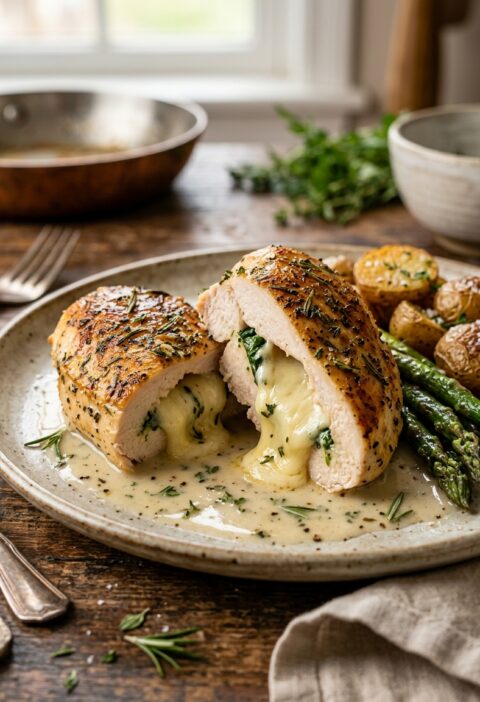
I remember standing in the grocery store wondering if I had forgotten something important. My cart had eggs, chicken, and a bag of spinach, but no real plan for how they’d turn into actual dinners. By Wednesday, I was ordering takeout and wondering why keto felt so hard.
That’s the thing nobody tells you when you start keto: the diet itself isn’t complicated. The planning is what trips people up. Once I sat down and mapped out a full week — meals, ingredients, and a grocery list I could take straight to the store — everything got easier.
This guide gives you that exact system. You’ll get a full 7-day keto meal plan, a printable grocery list organized by category, a Sunday meal prep routine, and answers to the questions beginners ask most. Nothing fancy, nothing that requires a specialty store. Just a plan you can actually follow.
What Is a Keto Meal Plan?
A keto meal plan is simply a schedule of meals designed to keep your body in ketosis — a metabolic state where your body burns fat for fuel instead of carbohydrates. To get there and stay there, most people keep their carb intake low, their protein moderate, and their healthy fat intake higher than usual.
A few terms worth knowing before you start:
- Net carbs: Total carbs minus fiber. This is the number most keto followers track, since fiber doesn’t raise blood sugar the way other carbs do.
- Ketosis: The state where your body shifts from burning glucose to burning fat for energy, typically once carb intake drops low enough.
- Healthy fats: Sources like olive oil, avocado, nuts, and fatty fish that support ketosis without the health drawbacks of heavily processed oils.
- Protein: Important for keeping muscle and staying full, but eaten in moderation on keto rather than in unlimited amounts.
A meal plan takes the guesswork out of hitting these targets every day. Instead of calculating macros meal by meal, you follow a plan that’s already balanced for you.
Benefits of Planning an Entire Week of Keto Meals
Planning a full week instead of figuring out dinner every night solves most of the problems that make people quit keto early.
- Saves money: Buying ingredients that work across several meals means less waste and fewer impulse purchases.
- Saves time: You shop once and cook in batches instead of making decisions every single night.
- Reduces cravings: Having meals ready removes the moment of “I don’t know what to eat” that usually leads to something off-plan.
- Minimizes food waste: Overlapping ingredients across meals means nothing sits in the fridge until it spoils.
- Simplifies shopping: One list, one trip, no back-and-forth to the store mid-week.
- Supports weight-loss goals: Consistency, not perfection, is what actually drives results over time.
Buying ingredients that worked for several meals helped me waste less food and spend less money. That one shift — cooking with overlap in mind — made the biggest difference in how sustainable keto felt.
Foods to Eat on Keto
Proteins
- Chicken thighs and breasts
- Ground beef
- Salmon and other fatty fish
- Eggs
- Pork chops
- Turkey
- Shrimp
Healthy Fats
- Olive oil
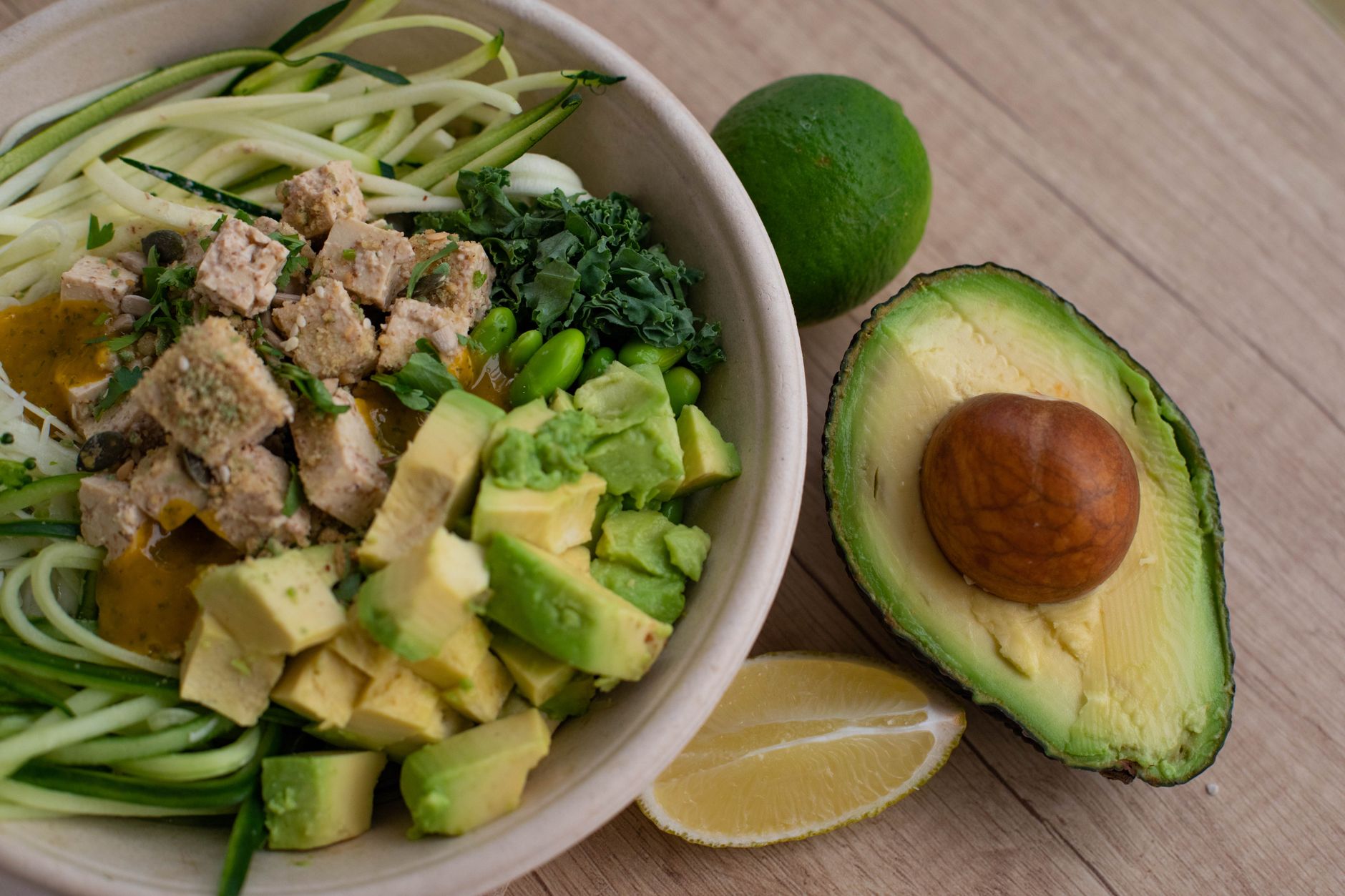
- Avocado and avocado oil
- Butter and ghee
- Nuts and nut butters
- Coconut oil
Vegetables
- Leafy greens (spinach, kale, lettuce)
- Broccoli and cauliflower
- Zucchini
- Bell peppers
- Asparagus
- Mushrooms
Dairy
- Cheddar, mozzarella, and other full-fat cheeses
- Cream cheese
- Heavy cream
- Plain Greek yogurt (in moderation)
Pantry Staples
- Almond flour and coconut flour
- Canned tuna and salmon
- Chicken or beef broth
- Spices and seasonings
- Sugar-free marinara sauce
Snacks
- Hard-boiled eggs
- String cheese
- Celery with almond butter
- A small handful of macadamia nuts
- Beef jerky (check for added sugar)
Foods to Avoid
- Bread, rice, and pasta: High in carbs that quickly add up and can push you out of ketosis.
- Sugary drinks and desserts: Sodas, candy, and baked goods spike blood sugar and offer little nutritional value.
- Most fruit (except berries in moderation): Bananas, grapes, and apples are higher in natural sugar than keto allows for.
- Starchy vegetables: Potatoes and corn are carb-dense compared to leafy or cruciferous vegetables.
- Beans and legumes: Nutritious, but too high in carbs for most keto plans.
- Low-fat “diet” products: These often replace fat with added sugar, which works against your goals.
One Week Keto Grocery List
Here’s a printable list organized by category, with rough quantities and typical U.S. grocery prices. Prices will vary by store and region, so use these as a general budgeting guide.
| Category | Item | Quantity | Approx. Price |
|---|---|---|---|
| Protein | Chicken thighs | 2 lbs | $7 |
| Protein | Ground beef (80/20) | 2 lbs | $9 |
| Protein | Eggs | 18 count | $5 |
| Protein | Salmon fillets | 1 lb | $9 |
| Protein | Bacon | 1 pack | $6 |
| Produce | Spinach | 1 bag | $3 |
| Produce | Broccoli | 2 heads | $4 |
| Produce | Zucchini | 3 | $3 |
| Produce | Bell peppers | 3 | $4 |
| Produce | Avocados | 4 | $5 |
| Produce | Cauliflower rice (frozen) | 2 bags | $6 |
| Produce | Mushrooms | 1 pack | $3 |
| Dairy | Shredded cheddar | 1 bag | $4 |
| Dairy | Cream cheese | 1 block | $2 |
| Dairy | Heavy cream | 1 pint | $3 |
| Dairy | Butter | 1 pack | $4 |
| Pantry | Olive oil | 1 bottle | $8 |
| Pantry | Almond flour | 1 bag | $6 |
| Pantry | Chicken broth | 1 carton | $3 |
| Pantry | Sugar-free marinara sauce | 1 jar | $4 |
| Snacks | Mixed nuts | 1 bag | $6 |
| Snacks | String cheese | 1 pack | $4 |
Estimated total: $105–$115 for the full week, depending on your store and region. Buying frozen vegetables and shopping sales can lower this further.
Want More Ready-to-Follow Keto Meal Plans?
⚡ Free Ultimate Keto Meal Plan eBooks ⚡
If you liked having this week mapped out for you, you can download additional free keto meal plans and recipes here. It’s a simple way to line up your next few weeks without starting from scratch every Sunday.
7-Day Keto Meal Plan
This plan is built around overlapping ingredients on purpose. You’ll notice the same rotisserie chicken, ground beef, and eggs showing up more than once — that’s intentional, and it’s what keeps both your grocery bill and your prep time down.
| Day | Breakfast | Lunch | Dinner | Snack | Calories | Net Carbs |
|---|---|---|---|---|---|---|
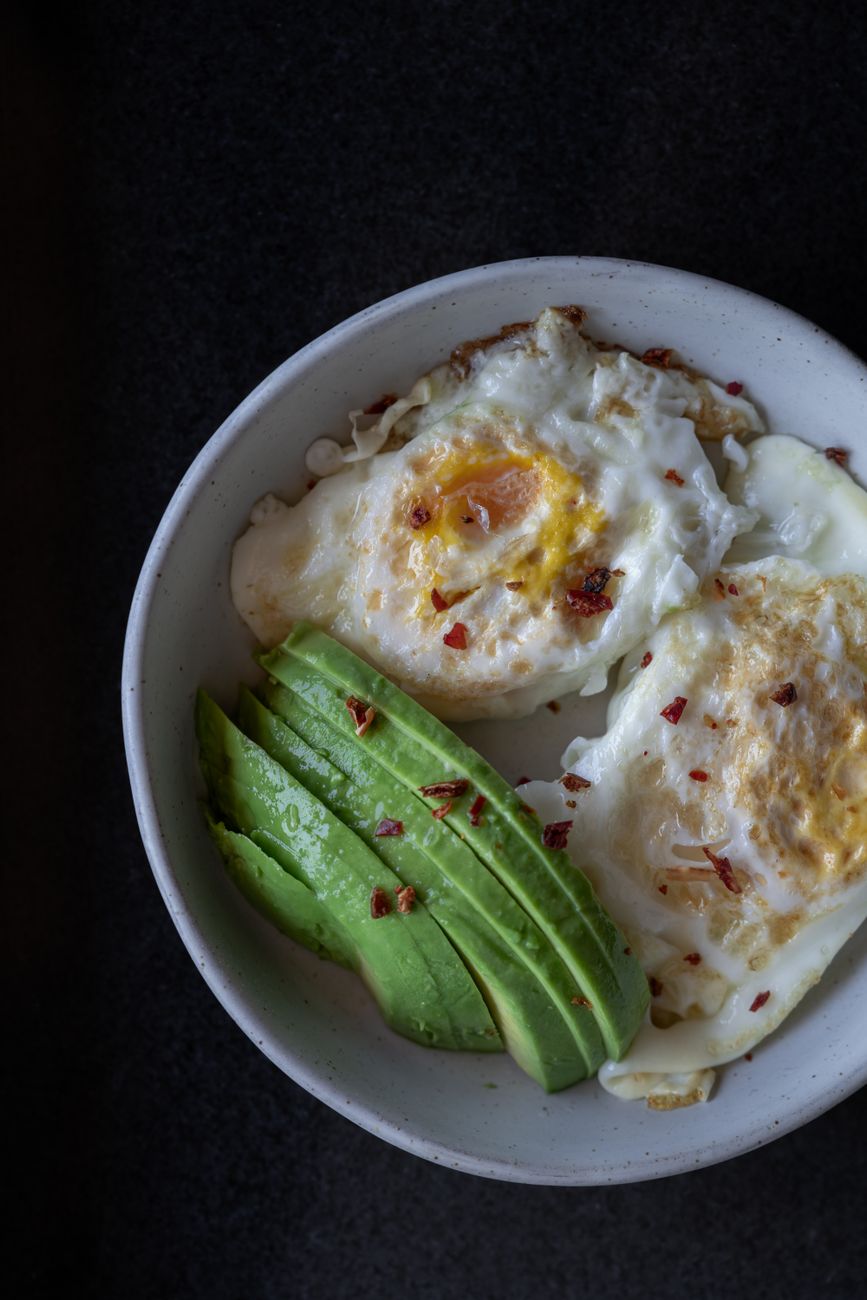
| Mon | Scrambled eggs + spinach + avocado | Grilled chicken salad w/ olive oil dressing | Baked salmon + roasted broccoli | String cheese | ~1,550 | ~14g |
| Tue | Greek yogurt + almonds | Leftover salmon + zucchini noodles | Ground beef stir-fry w/ peppers | Celery + almond butter | ~1,500 | ~16g |
| Wed | Egg muffins (baked in advance) | Chicken thigh + cauliflower rice | Beef taco bowls (no tortilla) | Handful of nuts | ~1,600 | ~15g |
| Thu | Avocado + bacon + eggs | Leftover taco bowl | Garlic butter shrimp + asparagus | Hard-boiled egg | ~1,520 | ~13g |
| Fri | Egg muffins | Tuna salad lettuce wraps | Chicken thigh + broccoli + cheese | String cheese | ~1,550 | ~14g |
| Sat | Keto pancakes (almond flour) | Leftover chicken + salad | Zucchini lasagna (no noodles) | Mixed nuts | ~1,600 | ~17g |
| Sun | Omelet w/ mushrooms + cheese | Leftover lasagna | Pan-seared pork chop + green beans | Celery + almond butter | ~1,580 | ~15g |
The first week wasn’t perfect for me — I burned the first batch of egg muffins and had to order backup eggs mid-week. But having a plan on paper meant one bad batch didn’t throw off the whole week.
Sunday Meal Prep Guide
Meal prepping on Sunday made weekday dinners much less stressful. You don’t need to cook all seven days from scratch — you need about 90 minutes to set yourself up for the week.
| Time | Task |
|---|---|
| 0–15 min | Wash and chop all vegetables for the week |
| 15–35 min | Bake egg muffins and hard-boil a batch of eggs |
| 35–55 min | Cook chicken thighs and ground beef in bulk |
| 55–70 min | Portion proteins and vegetables into containers |
| 70–90 min | Make dressings/sauces and store snacks in grab-and-go portions |
I learned that keeping cooked chicken and boiled eggs in the refrigerator made sticking to keto much easier. When 6 p.m. hits and you’re tired, having something ready beats having good intentions.
Tips for Grocery Shopping on Keto
- Buy seasonal produce: It’s cheaper and usually fresher than out-of-season options.
- Stock your freezer: Frozen broccoli, cauliflower rice, and berries cost less and last longer than fresh.
- Buy proteins in bulk: Family packs of chicken or ground beef can be portioned and frozen.
- Compare unit prices: The bigger package isn’t always cheaper per ounce — check the shelf tag.
- Skip expensive “keto” branded snacks: Regular cheese, nuts, and eggs do the same job for less money.
Common Beginner Mistakes
- Buying too many processed keto snacks: Keto bars and chips add up fast and aren’t necessary for success.
- Skipping vegetables: Keto isn’t just meat and cheese — vegetables provide fiber and nutrients you still need.
- Eating too little protein: Under-eating protein can leave you hungry and low on energy.
- Forgetting hydration: Keto has a natural diuretic effect, so water needs typically go up, not down.
- Not reading nutrition labels: Hidden sugars show up in sauces, dressings, and “healthy” packaged foods.
Quick Success Tips
✔ Drink water consistently throughout the day, not just when you’re thirsty
✔ Add a pinch of salt to water or broth to help with electrolytes
✔ Keep 2–3 easy backup meals on hand for busy days
✔ Don’t aim for perfect — aim for consistent
✔ Repeat meals you like instead of reinventing dinner every night
Hydration and Electrolytes
Aim for at least 8–10 cups of water a day, more if you’re active. Because keto reduces water retention, you can lose sodium, potassium, and magnesium faster than usual. A pinch of salt in water, a cup of broth, or a low-carb electrolyte supplement can help you avoid the headaches and fatigue sometimes called the “keto flu.”
Eating Out on Keto
You don’t have to turn down every dinner invitation. Most restaurants can work with a little adjusting:
- Ask for a lettuce wrap instead of a bun at burger places
- Swap fries or rice for a side salad or extra vegetables
- Choose grilled over breaded proteins
- Watch for hidden sugar in sauces, marinades, and dressings — ask for them on the side
- Steakhouses, Mexican grills (bowl instead of burrito), and sushi restaurants (sashimi over rolls) tend to be easy places to stay on track
Portion Control Without Obsessing
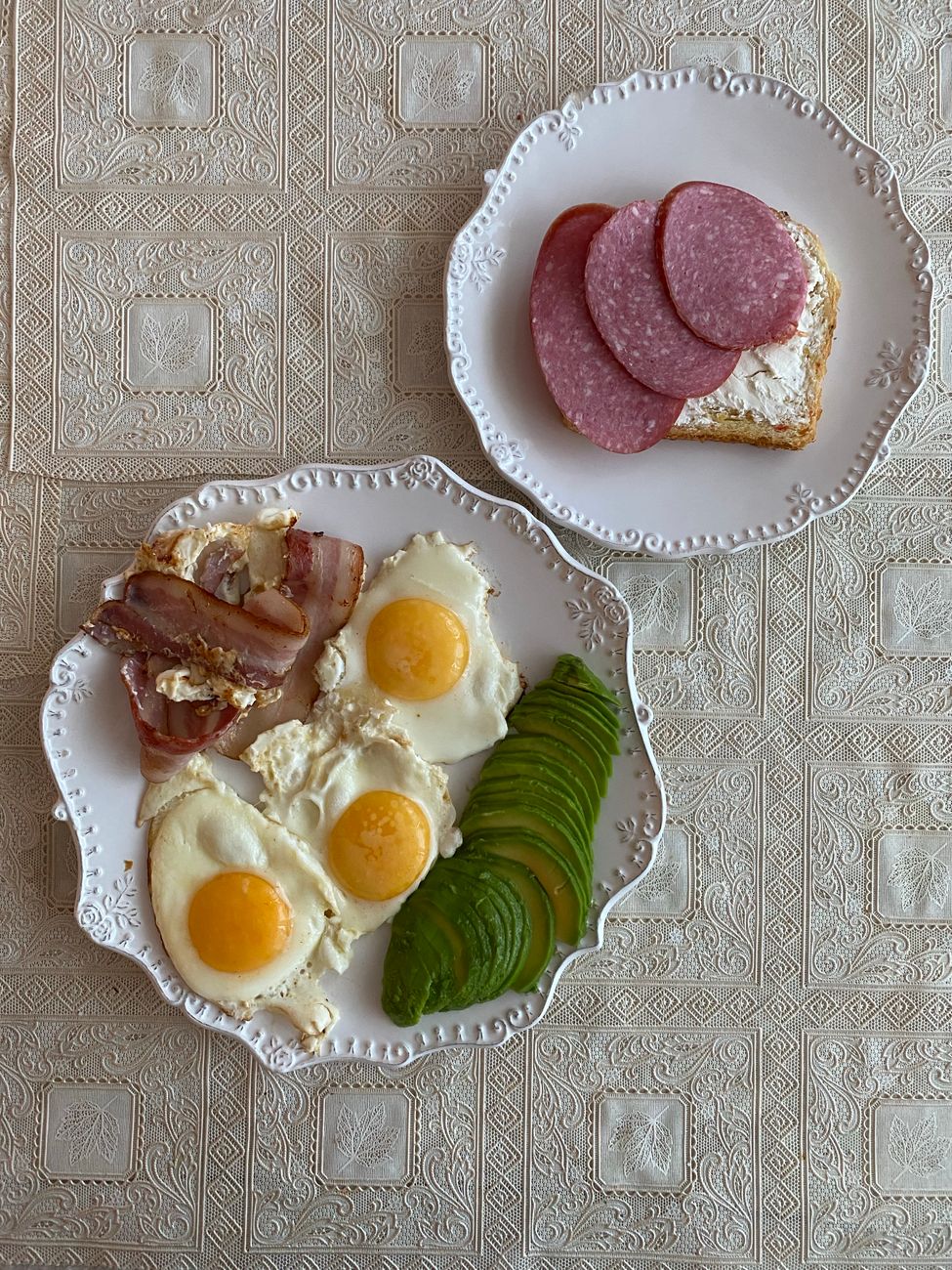
You don’t need a food scale for life, but using one for a week or two in the beginning helps you learn what a real portion looks like. After that, a simple visual guide works fine: protein about the size of your palm, fats about the size of your thumb, and vegetables filling the rest of the plate.
How to Stay Consistent Beyond the First Week
I realized that repeating a few favorite meals saved both time and decision fatigue. You don’t need 21 different meals to succeed on keto — you need 6 or 7 that you genuinely enjoy and can make without thinking too hard.
- Rotate 2–3 breakfasts you can make in bulk
- Keep a running grocery list on your phone so restocking is fast
- Plan one “flex” night a week for eating out or trying something new
- Track progress with how your clothes fit and your energy levels, not just the scale
- Give yourself grace on off days — one meal doesn’t undo a week of consistency
The Ultimate Guide to Weight Loss and Proven Diet Plans offers additional meal planning strategies, nutrition guidance, and sustainable weight-loss advice if you want to build on what you’ve started here: The Ultimate Guide to Weight Loss and Proven Diet Plans.
If you’d rather have a plan built around your specific schedule, food preferences, and goals, Transform Your Body with AI-Powered Keto generates meal recommendations customized to your lifestyle instead of a one-size-fits-all plan.
Beginner Keto Checklist
Print this out or save it to your phone before your first week starts:
☐ Grocery list printed or saved
☐ Fridge and pantry cleared of obvious off-plan temptations
☐ At least one protein and one vegetable prepped for the first two days
☐ Water bottle filled and ready
☐ Electrolyte source on hand (salt, broth, or supplement)
☐ Two or three backup meals identified for busy days
☐ A realistic goal written down — not just “lose weight,” but something specific like “cook 5 dinners at home this week”
Frequently Asked Questions
1. How many carbs can I eat on keto?
Most beginners aim for 20–30g of net carbs per day, though this can vary based on your body and goals.
2. How fast will I lose weight on keto?
This varies widely from person to person. Some people notice changes in the first week (often water weight), while fat loss tends to happen more gradually.
3. Do I need to count calories on keto?
Not strictly, but tracking loosely can help if weight loss stalls, especially in the beginning.
4. Can I drink alcohol on keto?
Dry wine and spirits without sugary mixers are lower-carb options, but alcohol can slow fat burning and should be limited.
5. What is the “keto flu”?
A short-term period of fatigue, headache, or irritability some people feel in the first week as the body adjusts. Staying hydrated and replacing electrolytes usually helps.
6. Can I eat fruit on keto?
Berries in small portions are generally the best option. Most other fruits are too high in sugar for a standard keto plan.
7. Is keto safe for everyone?
No. Keto isn’t appropriate for everyone, including some people with certain medical conditions. Talk to a healthcare provider before starting, especially if you have a pre-existing condition or take medication.
8. What can I use instead of rice or pasta?
Cauliflower rice and zucchini noodles are popular low-carb substitutes that work well in most recipes.
9. How much protein should I eat on keto?
A common guideline is around 0.6–1g of protein per pound of body weight, adjusted for activity level and goals.
10. Can I follow keto as a vegetarian?
Yes, though it takes more planning. Eggs, cheese, tofu, and nuts become your main protein sources.
11. Will I need to buy special keto products?
No. This plan uses regular grocery store staples. Specialty keto products can be convenient but aren’t required.
Final Thoughts
The first week wasn’t perfect for me, and yours probably won’t be either — and that’s fine. What matters is having a plan simple enough to follow on your busiest, most tired weeknight. Progress beats perfection every time.
If this week felt manageable, the 30-Day Keto Meal Plan Blueprint expands this same approach into a full month — complete meal plans, grocery lists, recipes, and prep instructions, so you’re never starting from a blank page again.
Before you go: bookmark this meal plan, print or save the grocery list before your next shopping trip, and share it with a friend or family member who’s just starting keto. A little planning goes a long way.
Results vary from person to person, and keto isn’t the right fit for everyone. If you have a medical condition or take medication, talk to a healthcare professional before making significant changes to your diet. Sustainable, healthy habits matter more than fast results.