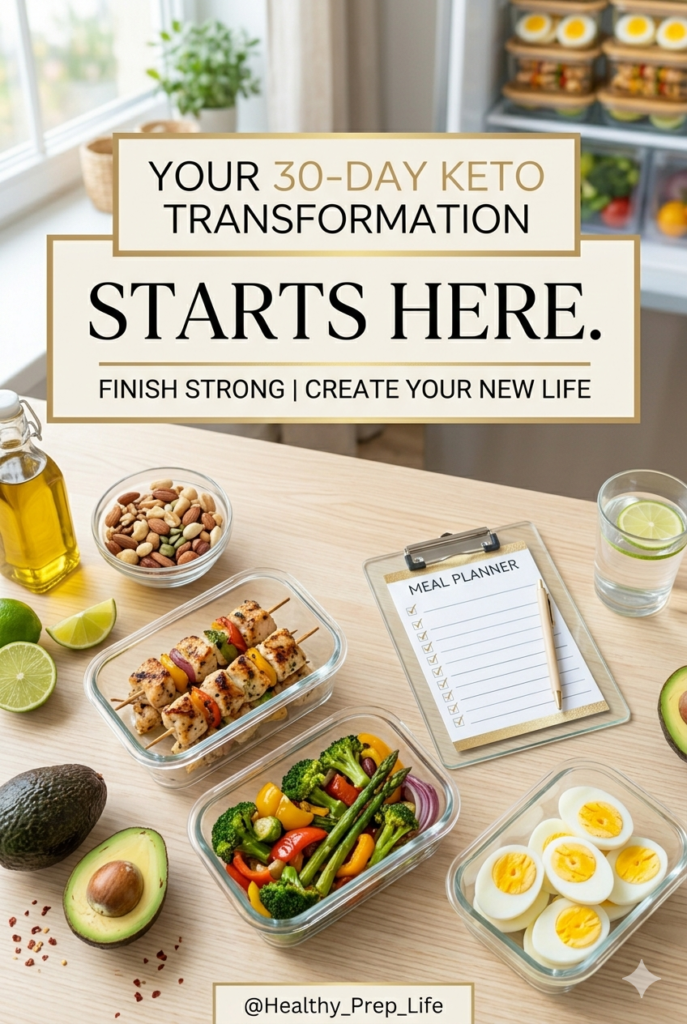
Introduction: You’ve Been Trying So Hard — And Still Feeling Stuck
Sound familiar?
You’ve counted calories. You’ve tried low-fat. You’ve downloaded meal plans that sat in your folder, unopened. You’ve started Mondays strong only to fall apart by Thursday. And every time a new diet trend rolls around, a little voice in your head whispers: What if this one actually works?
Here’s the truth: most diets fail beginners — not because the person lacks willpower, but because the plan lacks structure.
That’s exactly where the 30-day keto meal plan for beginners changes everything.
Keto is different. Instead of obsessing over calories, you focus on cutting carbs and fueling your body with fat — which trains it to burn fat for energy. Less hunger. Fewer cravings. More clarity. And for many people, real, visible weight loss.
But here’s the catch: keto without a plan is overwhelming. You don’t know what to eat, what to skip, how to prep, or how to stay consistent when life gets busy.
That’s why done-for-you resources like the 30-Day Keto Meal Plan Blueprint exist — to hand you exactly what to eat, when to eat it, and how to stay on track without spending hours Googling every meal.
If you’re ready to stop guessing and start seeing results, keep reading. This guide covers everything you need to know about keto for beginners — and how to make your first 30 days your best ones yet.

What Is the Keto Diet? (And Why It Actually Works)
The Simple Science Behind Ketosis
The ketogenic diet — “keto” for short — is a high-fat, moderate-protein, very low-carbohydrate eating plan.
On a standard American diet, your body runs on glucose (sugar) from carbs. The moment you dramatically cut carbs (typically to under 20–50 grams per day), your body runs out of glucose and switches to an alternative fuel source: ketones, which are produced from fat.
This metabolic state is called ketosis.
When you’re in ketosis, your body becomes a fat-burning machine — burning stored body fat for fuel around the clock, even while you rest.
Why Beginners Love Keto
- Reduced hunger: Fat and protein are more satiating than carbs, which means fewer cravings and less snacking.
- Mental clarity: Many people report sharper focus once they’re fully in ketosis.
- Steady energy: No more blood sugar spikes and crashes.
- Real results: When done right, keto supports meaningful weight loss — especially in the first 30 days.
- Simple rules: You’re not calculating complex macros for every food. The main rule? Keep carbs very low and fat high.
What Does a Typical Keto Macro Breakdown Look Like?
| Macronutrient | Percentage of Daily Calories |
|---|---|
| Fat | 70–75% |
| Protein | 20–25% |
| Carbohydrates | 5–10% (typically 20–50g net carbs/day) |
Understanding macros is helpful, but it doesn’t have to feel like a math class. A good beginner keto diet plan does the calculation for you — which is exactly what the 30-Day Keto Meal Plan Blueprint is designed to do.
Benefits of Following a 30-Day Keto Meal Plan
One of the biggest reasons people fail at keto isn’t the diet itself — it’s the lack of a plan.
Here’s why committing to a structured keto meal plan for 30 days makes all the difference:
1. Simplicity
When you know exactly what’s for breakfast, lunch, and dinner every day, decision fatigue disappears. No more standing in front of the fridge wondering if something is “keto enough.”
2. Faster Meal Decisions
A plan eliminates the “what do I eat?” spiral. You shop once, prep once, and eat confidently all week.
3. Weight Loss Support
The first 30 days of keto are often when people see the most significant results. A structured plan ensures you stay in ketosis consistently — which is key to seeing those results.
4. Reduced Cravings
Carb cravings are intense at first. But once you have keto-approved meals ready and waiting, you’re less likely to cave to bread, pasta, or chips out of desperation.
5. Budget Benefits
A weekly keto grocery list means you buy only what you need. No wasted produce. No random ingredients rotting in the fridge. Planned eating is cheaper eating.
6. Consistency = Results
One week of perfect keto won’t transform your body. But 30 days? That’s when the magic happens. A plan keeps you consistent even when motivation dips.
Common Beginner Keto Mistakes (And How to Avoid Them)
Starting keto without guidance is like driving cross-country without GPS. You might get there, but you’ll probably take some wrong turns first.
Here are the most common mistakes beginners make — and how to sidestep them:
Mistake #1: Eating Too Many Hidden Carbs
Carbs hide everywhere — in sauces, salad dressings, flavored yogurts, protein bars, and even “healthy” fruits. New keto followers often underestimate their carb intake and wonder why they can’t enter ketosis.
Fix: Track your net carbs for the first few weeks, and rely on a pre-built meal plan that does the counting for you.
Mistake #2: Not Getting Enough Electrolytes
When you cut carbs, your kidneys excrete more sodium — which takes potassium and magnesium along with it. This causes the dreaded “keto flu”: headaches, fatigue, brain fog, and muscle cramps in the first week.
Fix: Salt your food generously, drink plenty of water, and consider an electrolyte supplement.
Mistake #3: Overcomplicating Recipes
You do NOT need to make a five-step keto cheesecake in week one. Complicated recipes lead to frustration and quitting.
Fix: Stick to simple, easy keto meals: eggs + bacon + avocado. Chicken thighs + roasted broccoli. Ground beef lettuce tacos. Simple wins.
Mistake #4: Skipping Meal Prep
Without prepped food on hand, you’ll reach for whatever’s convenient — and convenient usually means carbs.
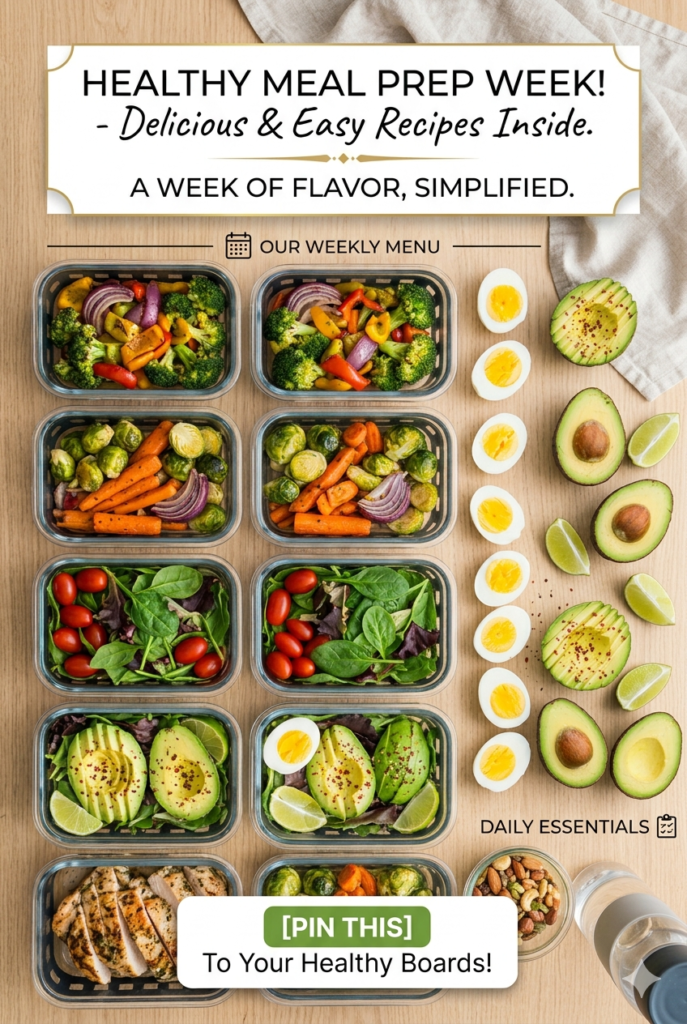
Fix: Spend 1–2 hours each Sunday prepping proteins, washing veggies, and portioning snacks. The 30-Day Keto Meal Plan Blueprint includes built-in prep guidance to make this easy.
Mistake #5: Giving Up During Week One
Week one is the hardest. Your body is adjusting. Cravings are real. You might feel tired. This is normal — it’s your body switching fuel sources.
Fix: Remember that days 3–7 are the toughest, and days 8–14 are often when people feel amazing. Push through the transition, and you’ll be glad you did.
30-Day Keto Meal Plan Overview: Week by Week
Here’s a bird’s-eye view of what a structured keto weight loss meal plan looks like across four weeks:
Week 1: Reset & Adapt
The goal this week is simple: get into ketosis. Keep meals extremely simple. Focus on:
- Eliminating bread, pasta, rice, potatoes, sugar, and most fruits
- Eating plenty of healthy fats: avocado, olive oil, butter, cheese
- Stocking up on proteins: eggs, chicken, beef, salmon
- Drinking lots of water and adding electrolytes
Sample Day:
- Breakfast: Scrambled eggs with butter + bacon + half an avocado
- Lunch: Tuna salad lettuce wraps with mayo and cucumber
- Dinner: Pan-seared salmon with garlic butter and steamed broccoli
- Snack: A handful of macadamia nuts
Week 2: Find Your Rhythm
By now, many people are starting to feel the “keto clarity” — less brain fog, steadier energy. This week:
- Introduce slightly more variety in proteins and vegetables
- Start experimenting with keto-friendly condiments (ranch dressing, hot sauce, mustard)
- Practice batch-cooking proteins for the week
Sample Day:
- Breakfast: Keto egg muffins (eggs + cheese + spinach + bacon, baked in a muffin tin)
- Lunch: Chicken Caesar salad (no croutons)
- Dinner: Ground beef taco bowls over cauliflower rice
- Snack: String cheese + celery with cream cheese
Week 3: Build Momentum
You’re getting into your groove. Cravings are decreasing. Energy is more stable. Time to:
- Optimize your grocery shopping routine
- Try new keto-friendly vegetables: zucchini, cauliflower, Brussels sprouts, asparagus
- Plan ahead for social situations (restaurants, parties)
Sample Day:
- Breakfast: Greek yogurt (full-fat, plain) with a handful of berries + chopped walnuts
- Lunch: BLT lettuce wrap + hard-boiled eggs
- Dinner: Baked chicken thighs with roasted zucchini and a dollop of pesto
- Snack: Pepperoni slices + a small cube of cheddar
Week 4: Lock It In
The final stretch. By week four, keto should feel normal rather than restrictive. Your focus:
- Reflect on what meals you love
- Fine-tune your grocery list
- Decide which keto habits you want to carry into month two
Sample Day:
- Breakfast: Smoked salmon + cream cheese on cucumber rounds
- Lunch: Cobb salad with bacon, blue cheese, avocado, hard-boiled egg
- Dinner: Pork chops with garlic green beans and butter
- Snack: Dark chocolate (85%+) + a small handful of almonds
Want all of this done for you — every meal, every snack, every grocery list, all in one place? The 30-Day Keto Meal Plan Blueprint has all of this mapped out so you don’t have to think twice.
Sample Keto Foods List: What to Buy and What to Skip
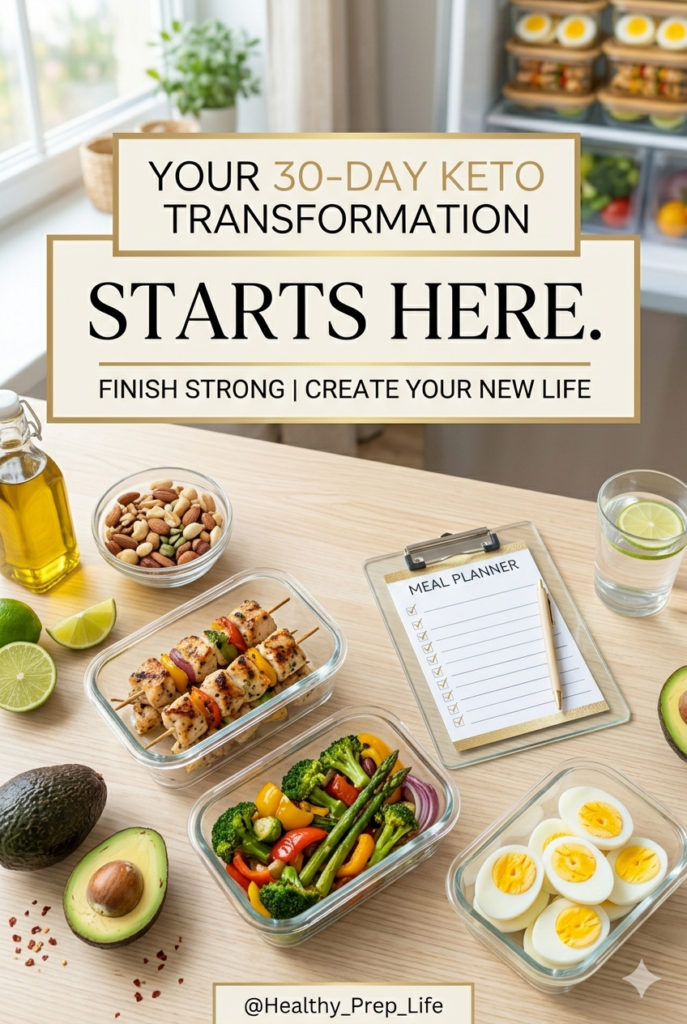
Stocking your kitchen right is half the battle. Here’s your beginner-friendly keto shopping guide:
✅ Proteins (Eat Freely)
- Eggs (your best keto friend — cheap, versatile, perfect macros)
- Chicken thighs and breasts
- Ground beef (80/20 fat ratio is ideal)
- Salmon, tuna, sardines, shrimp
- Pork chops, bacon, sausage (check for added sugars)
- Turkey and deli meats (read labels — avoid sugary varieties)
✅ Healthy Fats (Eat Generously)
- Avocados and avocado oil
- Olive oil (extra virgin for dressings; regular for cooking)
- Butter and ghee
- Cream cheese, full-fat sour cream, heavy cream
- Coconut oil
- Nuts and nut butters (macadamia, pecans, almonds — watch portions)
✅ Vegetables (Low-Carb Picks)
- Leafy greens: spinach, arugula, kale, romaine
- Broccoli and cauliflower (the keto staples)
- Zucchini, yellow squash, asparagus
- Brussels sprouts, green beans, bell peppers (in moderation)
- Cucumber, celery, mushrooms
- Cabbage and bok choy
✅ Dairy
- Full-fat cheddar, mozzarella, brie, gouda, parmesan
- Plain Greek yogurt (full-fat; watch carbs per serving)
- Heavy whipping cream
- Cream cheese
✅ Keto Snacks
- String cheese or cheese crisps
- Hard-boiled eggs
- Pepperoni slices
- Macadamia nuts, pecans, almonds
- Celery with almond butter
- Pork rinds
- Dark chocolate (85%+)
- Olives
✅ Drinks
- Water (always first)
- Black coffee or coffee with heavy cream
- Unsweetened tea
- Sparkling water (unflavored or naturally flavored, zero sugar)
- Bone broth (great for electrolytes)
- Electrolyte drinks (sugar-free)
✅ Pantry Staples
- Coconut aminos (soy sauce alternative, lower carb)
- Hot sauce, mustard, ranch dressing (check labels)
- Apple cider vinegar
- Almond flour and coconut flour (for baking)
- Erythritol or monk fruit sweetener
- Canned tuna, salmon, sardines
- Chicken or beef broth
❌ Foods to Avoid
- Bread, pasta, rice, oats, cereal
- Sugar (all forms: table sugar, honey, maple syrup, agave)
- Most fruit (bananas, grapes, mangoes, apples — too high in sugar)
- Potatoes, sweet potatoes, corn
- Beans and lentils (high carb)
- Most packaged/processed “low-fat” foods
- Soda, juice, sports drinks, most alcoholic beverages
Easy Keto Meal Prep Tips for Beginners
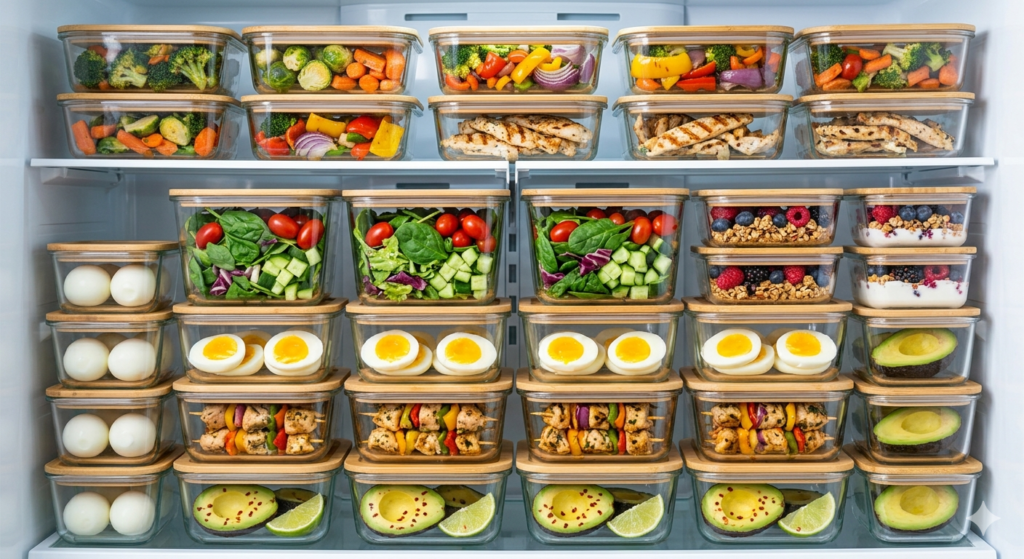
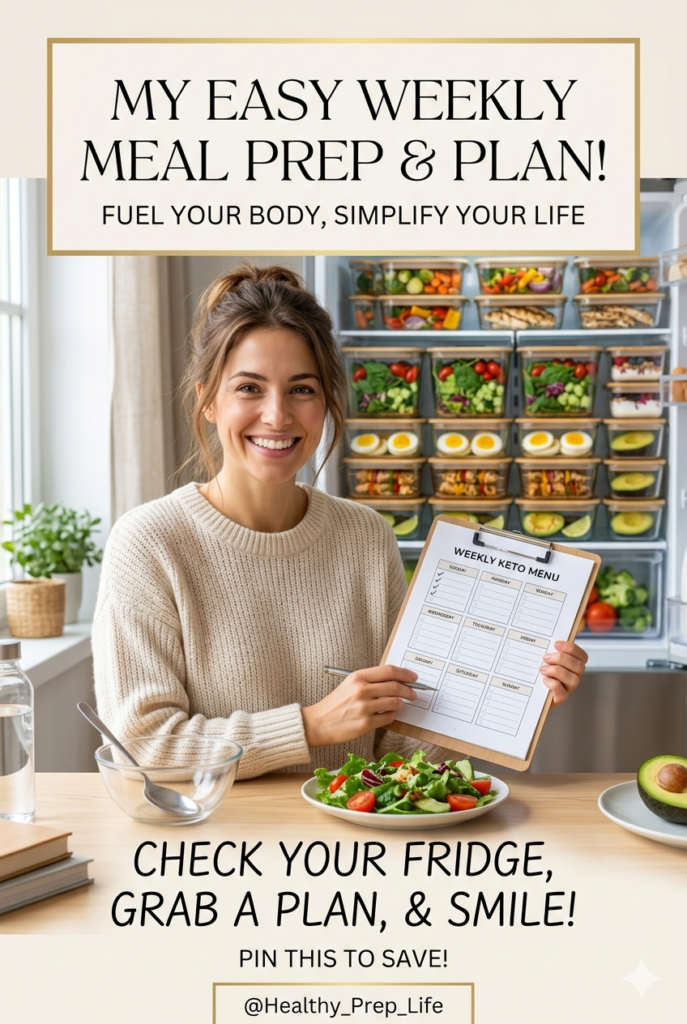
Meal prep is the secret weapon of every successful keto dieter. Here’s how to make it work without spending your whole Sunday in the kitchen:
Batch-Cook Your Proteins
Cook a large batch of chicken (baked, grilled, or rotisserie-style), ground beef, or hard-boiled eggs at the start of the week. These form the base of multiple meals.
Prep Your Vegetables in Advance
Wash, chop, and store vegetables in airtight containers. Pre-cut broccoli, zucchini, and cauliflower rice are ready to roast or steam in minutes on a busy weeknight.
Make One-Pan Meals Your Best Friend
Sheet pan dinners are a meal prepper’s dream. Toss protein and vegetables in olive oil, season generously, roast at 400°F for 25–30 minutes. Done. Meal prepped. Keto-approved.
Use a Weekly Grocery List
Plan your meals before you shop — not the other way around. A structured keto meal plan tells you exactly what you need so you don’t overbuy or underbuy.
The 30-Day Keto Meal Plan Blueprint includes weekly grocery lists so your shopping trips are quick, focused, and budget-friendly.
Keep Snacks Visible and Ready
The moment hunger hits, willpower drops. Stock your fridge with grab-and-go keto snacks — pre-portioned nuts, hard-boiled eggs, string cheese — so you never feel desperate.
Simplify, Simplify, Simplify
Eat the same breakfast for 5 days in a row. Rotate between 3–4 dinner options each week. Keto doesn’t have to be gourmet. Simple, repetitive meals are a feature, not a flaw.
How Busy People Can Stay Consistent on Keto
Life doesn’t pause for your diet. Work meetings, school pickups, travel, and social events all create opportunities to fall off track. Here’s how to stay keto no matter what life throws at you:
Prioritize Convenience Over Perfection
The best keto meal is the one you actually eat. On crazy-busy days, a rotisserie chicken from the grocery store + a bag of pre-washed salad greens + some avocado = a perfect keto dinner in 5 minutes.
Plan Your “Keto Emergency Kit”
Keep keto-friendly foods in your car, your desk, and your bag. A small container of nuts, a cheese stick, or a packet of nut butter can save you from a drive-through disaster.
Navigate Restaurants Like a Pro
Keto at restaurants is easier than you think:
- Order burgers without the bun
- Ask for extra vegetables instead of fries
- Choose grilled proteins over breaded ones
- Order salads with olive oil and vinegar instead of sugary dressings
Use a Plan So You Don’t Have to Think
The #1 reason busy people fail at diets is mental fatigue. When you have to figure out three meals a day from scratch, it’s exhausting.
A done-for-you keto meal plan eliminates that burden completely. You wake up knowing exactly what you’re eating. No decisions. No stress. Just follow the plan.
This is exactly why the 30-Day Keto Meal Plan Blueprint is ideal for working parents, students, professionals, and anyone who doesn’t have hours to spend researching keto every day.
Embrace the “Good Enough” Mindset
Ate something slightly off-plan? Move on. One imperfect meal doesn’t undo your progress. What matters is showing up again tomorrow.
Why Done-For-You Keto Plans Work Better for Beginners
Let’s be honest: the internet has too much keto information.
Reddit threads. YouTube channels. Instagram influencers with conflicting advice. Blog posts (yes, like this one) with slightly different recommendations. It can feel impossible to know where to start.
A done-for-you keto plan cuts through all of that noise.
Here’s why it works so much better — especially in your first month:
No Guesswork
Every meal is chosen for you. Every grocery list is pre-built. Every day is mapped out. You just show up and follow the plan.
Saves Hours of Research
Building a solid 30-day keto meal plan from scratch takes hours. You’d need to research which foods are keto-friendly, check carb counts, balance macros, build grocery lists, and plan for variety. A done-for-you plan hands you all of that instantly.
Designed for Consistency
Good keto plans aren’t just about what to eat — they’re structured to keep you consistent week after week. Meals rotate intelligently. Prep is minimized. Cravings are accounted for.
Beginner-Friendly from Day One
A quality plan like the 30-Day Keto Meal Plan Blueprint is designed specifically for people who are new to keto — not experienced dieters who already know all the rules.
Less Stress = Better Results
When eating is stressful, you’re less likely to stick with it. A plan removes the daily stress of food decisions, which means you stay on it longer — and get better results.
If you’ve tried keto before and struggled, it may not be the diet that failed you. It may have been the lack of structure. That’s exactly what the 30-Day Keto Meal Plan Blueprint is built to fix.
Frequently Asked Questions: Keto for Beginners
Q1: How long does it take to enter ketosis?
Most people enter ketosis within 2–7 days of consistently eating under 20–50g of net carbs per day. The exact timeline depends on your metabolism, activity level, and how strictly you follow the plan. Staying hydrated and incorporating light exercise can speed up the process.
Q2: Will I experience the “keto flu”?
Many beginners experience keto flu in the first week — symptoms like headache, fatigue, brain fog, and irritability. This happens because your body is flushing out glycogen and the electrolytes that come with it.
The fix: drink more water, increase sodium (salt your food!), and supplement with magnesium and potassium. Most people feel dramatically better by day 5–7.
Q3: How many carbs can I eat on keto?
The general guideline is 20–50 grams of net carbs per day (net carbs = total carbs minus fiber). Most strict keto plans recommend staying at or under 20g net carbs, especially in the first few weeks, to ensure you enter and stay in ketosis.
Q4: Can I do keto on a budget?
Absolutely. Keto doesn’t require expensive specialty products. The most budget-friendly keto staples include eggs, canned tuna, ground beef, frozen vegetables, cabbage, and canned sardines. A good meal plan helps you buy only what you need — which means less food waste and lower grocery bills.
Q5: Is keto safe for everyone?
Keto is generally safe for most healthy adults, but it’s not right for everyone. People with type 1 diabetes, kidney disease, or certain metabolic conditions should consult their doctor before starting. If you’re pregnant or breastfeeding, speak with your healthcare provider. As with any significant dietary change, checking in with a medical professional is always a smart first step.
Q6: What if I have a bad day and eat something off-plan?
One slip doesn’t erase your progress. Simply return to eating keto at your next meal. You may temporarily exit ketosis, but you can return within a day or two of strict eating. Consistency over the long run matters far more than any single meal. The key is not letting one bad day turn into a bad week.
Q7: Do I have to count calories on keto?
Not necessarily — especially at first. Keto naturally reduces appetite, so many people eat less without trying. That said, if your weight loss stalls after several weeks, tracking calories and macros can help identify where adjustments are needed.
Q8: Can I drink alcohol on keto?
In moderation. Dry wines (red or white) and spirits like vodka, gin, and whiskey are the lowest in carbs. Beer and sweet cocktails are high in carbs and should be avoided. Alcohol also slows fat burning temporarily, so it’s best to limit it — especially in the first 30 days.
Final Thoughts: Your 30-Day Keto Journey Starts Now
Here’s what I want you to know: keto works — but only when you commit to it with a real plan.
You’ve already done the hardest part by getting here, reading this, and taking your health seriously. That matters. But now it’s time to take action before the moment passes.
The biggest mistake would be to close this tab and go back to winging it.
Your first 30 days on keto can genuinely change how you look and feel — if you have the right structure in place. Less confusion. Less decision fatigue. More consistency. More results.
That’s exactly why I recommend the 30-Day Keto Meal Plan Blueprint as your starting point. It’s a practical, beginner-friendly shortcut that eliminates the trial-and-error phase entirely.
Instead of spending weeks figuring out what to eat, you can start Day 1 knowing exactly what’s on your plate — breakfast through dinner, snacks included, grocery list attached.
You deserve to feel good in your body. You deserve sustainable, real results. And you deserve a plan that actually meets you where you are.
👉 Grab your 30-Day Keto Meal Plan Blueprint here and start your journey today.
You’ve got this!