
If you’ve ever spent your whole Sunday cooking, only to be sick of your food by Tuesday, you’re not alone. I’ve been there. I’ve also thrown out soggy zucchini, forgotten to eat enough protein, and given up on an entire week of prep because of one bad batch of “healthy” cauliflower rice.
Keto meal prep sounds simple on paper: cook once, eat all week, stay in ketosis, lose weight. In practice, it’s full of small traps that nobody warns you about. And most of them have nothing to do with willpower. They’re just habits you haven’t built yet.
In this guide, I’m walking you through the 15 most common keto meal prep mistakes beginners make, why they happen, and exactly how to fix them. You’ll also get a grocery checklist, a one-hour Sunday prep plan, a storage guide, and answers to the questions I hear most from readers just getting started.
Let’s get your keto meal prep actually working for you.
Why Meal Prep Is Important on Keto
Keto is a diet of details. Carbs hide in sauces, dressings, and “healthy” snacks. Without a plan, it’s easy to accidentally eat your way out of ketosis by 2 p.m.
Meal prep fixes that. Here’s what it actually does for you:
- Saves time. You cook once and eat multiple times, instead of cooking (or ordering takeout) every single day.
- Reduces cravings. When keto meals are ready to go, you’re less likely to reach for carb-heavy convenience food.
- Builds consistency. Weight loss on keto depends on staying in your carb range day after day, not just on your best days.
- Supports your goals. Portioned, planned meals make it much easier to track what you’re actually eating.
- Lowers stress. Busy weekdays get a lot less chaotic when dinner is already halfway done.
Meal prep isn’t about being rigid. It’s about giving yourself less to think about on a Wednesday night when you’re tired and hungry.
15 Common Keto Meal Prep Mistakes Beginners Make
1. Buying Too Many Specialty Keto Products
It’s tempting to fill your cart with keto bread, keto pasta, keto bars, and keto everything. I learned the hard way that buying too many specialty keto products made my grocery bill much higher than necessary.
Why it happens: Marketing makes these products feel essential, and they’re everywhere once you start searching “keto” online.
The fix: Build your meals around naturally low-carb whole foods first — meat, eggs, cheese, leafy greens, and healthy fats. Add one or two specialty products only if they genuinely make your week easier, not because the label says “keto-friendly.”
2. Meal Prepping Too Much Food
More isn’t always better. I used to spend hours meal prepping only to get tired of eating the same meal after two days.
Why it happens: Beginners often prep for seven days at once, assuming more prep means more success.
The fix: Start by prepping three to four days at a time. It’s easier to stay motivated, and the food stays fresher.
3. Not Eating Enough Protein
Keto gets framed as a “high-fat” diet, so protein sometimes gets forgotten.
Why it happens: Without a plan, it’s easy to load up on cheese and butter and forget protein amounts.
The fix: Aim to include a clear protein source — chicken, beef, eggs, fish, or tofu — in every meal you prep, and portion it out before adding fats.
4. Forgetting Low-Carb Vegetables
Meat and cheese are easy to prep. Vegetables often get left out entirely.
Why it happens: Vegetables take more prep time and don’t reheat as predictably as protein.
The fix: Keep it simple with vegetables that hold up well, like broccoli, zucchini, spinach, and bell peppers. Roast a large tray at once to save time.
5. Ignoring Portion Sizes
Even keto-friendly foods can slow weight loss if portions are too large.
Why it happens: Without pre-portioning, it’s easy to eyeball servings and go over your calorie or carb needs.
The fix: Use a kitchen scale or measuring cups when portioning containers, at least until you get a feel for what a serving looks like.
6. Not Planning Snacks
Snacks are where a lot of keto meal preps quietly fall apart.
Why it happens: Meals get planned, but snacks are treated as an afterthought.
The fix: Prep grab-and-go snacks in advance — hard-boiled eggs, cheese cubes, olives, or nut packs — so you’re not scrambling when hunger hits.
7. Buying Ingredients Without a Plan
Grocery shopping without a list often means either buying too much or missing key items.
Why it happens: It’s easy to shop based on what looks good in the moment instead of what your meal plan actually needs.
The fix: Write your meals first, then build your grocery list from those meals. This alone cuts down on food waste significantly.
8. Cooking Different Meals Every Day
Trying to cook something new every single day is exhausting, and it’s one of the fastest ways to burn out on keto.
Why it happens: Beginners often assume meal prep means “cook every meal from scratch, every day.”
The fix: I stopped wasting food once I planned meals around ingredients that could be used in multiple recipes. Roast one batch of chicken and turn it into salads, wraps, and stir-fries throughout the week.
9. Poor Food Storage
My first meal prep failed because I didn’t store cooked vegetables properly, and they became soggy.
Why it happens: Not all foods store the same way, and airtight containers aren’t always the right choice for every ingredient.
The fix: Let food cool completely before sealing containers, and store sauces or dressings separately from vegetables to keep everything from getting mushy.
10. Skipping Grocery Lists
This mistake compounds every other one on this list.
Why it happens: It feels faster to “just wing it” at the store.
The fix: A simple checklist, even a rough one on your phone, saves time, money, and trips back to the store mid-week.
11. Forgetting Hydration
Keto has a natural diuretic effect, meaning your body flushes out more water in the first few weeks.
Why it happens: Beginners focus on food and forget that fluid needs change too.
The fix: Aim for consistent water intake throughout the day, not just when you feel thirsty.
12. Ignoring Electrolytes
Low energy, headaches, and the “keto flu” are often electrolyte issues, not food issues.
Why it happens: Cutting carbs also flushes out sodium, potassium, and magnesium.
The fix: Add electrolyte-rich foods like broth, leafy greens, and avocado to your meal prep, or consider a sugar-free electrolyte supplement if a doctor gives the go-ahead.
13. Not Reading Nutrition Labels
Plenty of “low carb” labeled products still have hidden sugars and starches.
Why it happens: Front-of-package marketing isn’t always accurate.
The fix: Check the actual nutrition label and ingredient list, not just the claims printed on the front.
14. Giving Up After One Bad Week
One off week doesn’t mean keto “isn’t working” for you.
Why it happens: Beginners often treat a single hard week as proof they’ve failed.
The fix: Expect a few rough weeks while you build new habits. Adjust your plan instead of abandoning it entirely.
15. Trying to Be Perfect Instead of Consistent
This might be the biggest mistake on the list.
Why it happens: Keto content online often makes it look like everyone else is doing it flawlessly.
The fix: I realized meal prep doesn’t have to be perfect to be effective. A simple, repeatable routine you’ll actually stick with beats an elaborate one you’ll quit after two weeks.
Quick Summary: 15 Keto Meal Prep Mistakes
| # | Mistake | Quick Fix |
|---|---|---|
| 1 | Buying too many specialty products | Build meals around whole foods first |
| 2 | Prepping too much food | Prep 3–4 days at a time |
| 3 | Not eating enough protein | Portion protein first, every meal |
| 4 | Forgetting vegetables | Roast a big tray weekly |
| 5 | Ignoring portions | Use a scale or measuring cups |
| 6 | Not planning snacks | Prep grab-and-go options in advance |
| 7 | Shopping without a plan | Build your list from your meal plan |
| 8 | Cooking something new daily | Reuse core ingredients across meals |
| 9 | Poor storage | Cool food fully, store sauces separately |
| 10 | Skipping grocery lists | Keep a running checklist |
| 11 | Forgetting hydration | Drink water consistently, not just when thirsty |
| 12 | Ignoring electrolytes | Add broth, greens, and avocado |
| 13 | Not reading labels | Check ingredients, not just claims |
| 14 | Quitting after one bad week | Adjust and keep going |
| 15 | Aiming for perfect instead of consistent | Build a simple, repeatable routine |
Want Done-for-You Keto Meal Plans?
If building your own weekly menu from scratch feels like a lot right now, that’s completely normal this early on. You can grab the Free Ultimate Keto Meal Plan eBooks for free keto meal plans, grocery lists, and recipe collections that take the guesswork out of weekly meal prep.
How to Build a Beginner-Friendly Keto Meal Prep Routine
You don’t need a complicated system. You need one you’ll repeat. Here’s a simple weekly rhythm:
- Pick your meals first (2–3 dinners you’ll rotate, 1 breakfast, 1 lunch).
- Build your grocery list from those meals only.
- Shop once, ideally the same day each week.
- Prep proteins and vegetables in batches, not full assembled meals.
- Portion into containers so grab-and-go is actually grab-and-go.
- Leave room for one flexible meal in case plans change.
Keeping a few flexible ingredients on hand, instead of fully prepared meals for every single day, made my week much easier — and it gives you room to swap things around without wasting food.
Weekly Keto Grocery Checklist
Proteins
- Chicken thighs or breasts
- Ground beef
- Eggs
- Salmon or another fatty fish
- Bacon (check for added sugar)
Healthy Fats
- Olive oil
- Avocados
- Butter or ghee
- Nuts (almonds, macadamias)
Vegetables
- Broccoli
- Spinach
- Zucchini
- Bell peppers
- Cauliflower
Dairy
- Cheddar or mozzarella cheese
- Full-fat plain Greek yogurt (check carb count)
- Heavy cream
Pantry Staples
- Almond flour or coconut flour
- Sugar-free sauces and dressings
- Broth (bone broth or low-sodium broth)
- Canned tuna or salmon
Snacks
- Cheese sticks
- Olives
- Hard-boiled eggs
- Nut butter (no added sugar)
One-Hour Sunday Meal Prep Plan
| Time | Task |
|---|---|
| 0:00–0:10 | Preheat oven, wash and chop vegetables |
| 0:10–0:25 | Season and cook protein (bake, sear, or grill) |
| 0:25–0:40 | Roast vegetables while protein finishes cooking |
| 0:40–0:50 | Hard-boil eggs for snacks, portion nuts and cheese |
| 0:50–1:00 | Let everything cool, then portion into containers |
Best Foods That Stay Fresh All Week
| Food | Fridge Life | Freezer-Friendly? |
|---|---|---|
| Cooked chicken | 4 days | Yes |
| Ground beef | 3–4 days | Yes |
| Hard-boiled eggs | 7 days | No |
| Roasted broccoli | 4 days | Yes (texture softens) |
| Cheese (blocks) | 2–3 weeks | Yes |
| Cauliflower rice (cooked) | 4 days | Yes |
| Avocado (whole, uncut) | Room temp until ripe | No |
| Bone broth | 4–5 days | Yes |
The Ultimate Guide to Weight Loss and Proven Diet Plans
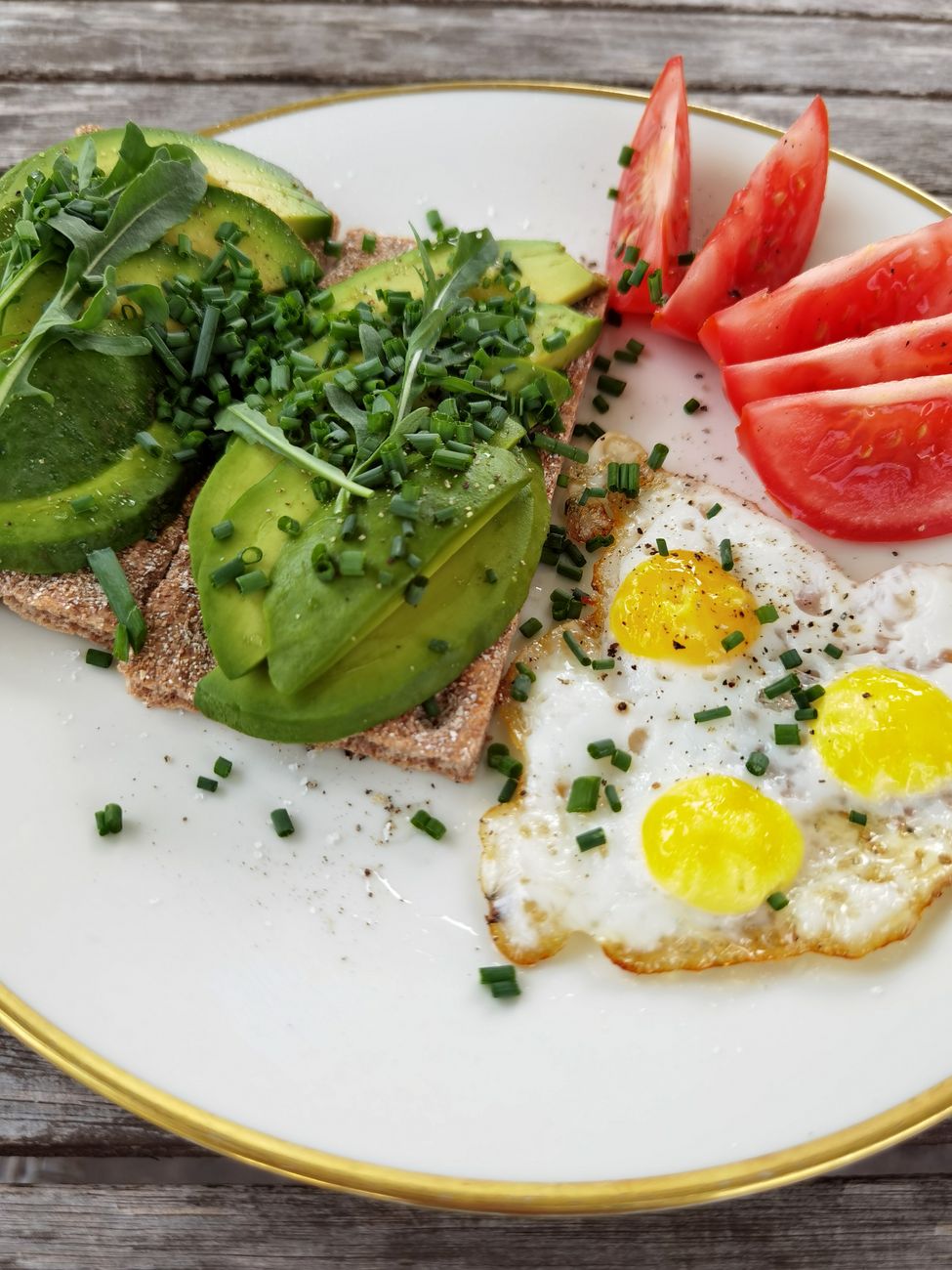
If you want strategies for long-term success beyond this single guide, The Ultimate Guide to Weight Loss and Proven Diet Plans walks through practical nutrition strategies, sustainable weight-loss advice, and meal-planning techniques you can layer on top of what you’re building here.
Meal Prep Storage Tips
Refrigerator storage
- Let food cool to room temperature before sealing, to avoid trapping steam that leads to sogginess.
- Store sauces and dressings separately from proteins and vegetables.
- Use clear containers so you can see what needs to be eaten first.
Freezer storage
- Freeze in flat, single-serving portions so they thaw faster.
- Label containers with the date so nothing gets forgotten in the back of the freezer.
- Vegetables with high water content (like cucumber or lettuce) don’t freeze well — skip those.
Containers
- Glass containers with locking lids tend to hold up better over repeated use than thin plastic.
- Divided containers help keep portions and food groups separate.
Food safety
- Refrigerated leftovers are generally best eaten within 3–4 days.
- When in doubt, trust your senses — if something smells off or looks discolored, don’t risk it.
Transform Your Body with AI-Powered Keto
Once your basic routine feels manageable, some readers like to go a step further with personalized planning. Transform Your Body with AI-Powered Keto offers customized keto meal plans, recipes, grocery lists, and macro recommendations tailored to your goals and lifestyle, if you want something more specific to you than a general guide can offer.
Frequently Asked Questions
1. What is the biggest mistake beginners make on keto? Trying to be perfect instead of consistent. A simple routine you’ll actually repeat works better than an elaborate one you’ll abandon.
2. How much food should I meal prep for keto? Start with three to four days’ worth. It’s easier to manage, and the food stays fresher than prepping a full week at once.
3. Can I meal prep keto food for the whole week? Yes, but store proteins and vegetables separately, and check freshness guidelines for each ingredient, since not everything lasts equally well.
4. Why am I not losing weight on keto even with meal prep? Portion sizes, hidden carbs in sauces or “low-carb” products, and inconsistent tracking are common culprits. Results also vary from person to person.
5. What foods should I avoid meal prepping on keto? Watery vegetables like cucumber and lettuce don’t hold up well once prepped. Cook these fresh instead.
6. How long does keto meal prep last in the fridge? Most cooked proteins and vegetables last 3–4 days in the refrigerator when stored properly in airtight containers.
7. Do I need electrolytes if I’m eating keto? Many people do, especially in the first few weeks, since keto has a natural diuretic effect that flushes out sodium and potassium.
8. What’s an easy keto meal prep for beginners? A simple combination of one roasted protein, one roasted vegetable, and a healthy fat like avocado or olive oil is a solid starting point.
9. How many carbs should a keto meal prep have? This varies by person and goal, which is why it’s worth working with a healthcare provider or dietitian to find the right range for you.
10. Is keto meal prep expensive? It doesn’t have to be. Building meals around whole foods instead of specialty keto products usually keeps costs more reasonable.
30-Day Keto Meal Plan Blueprint
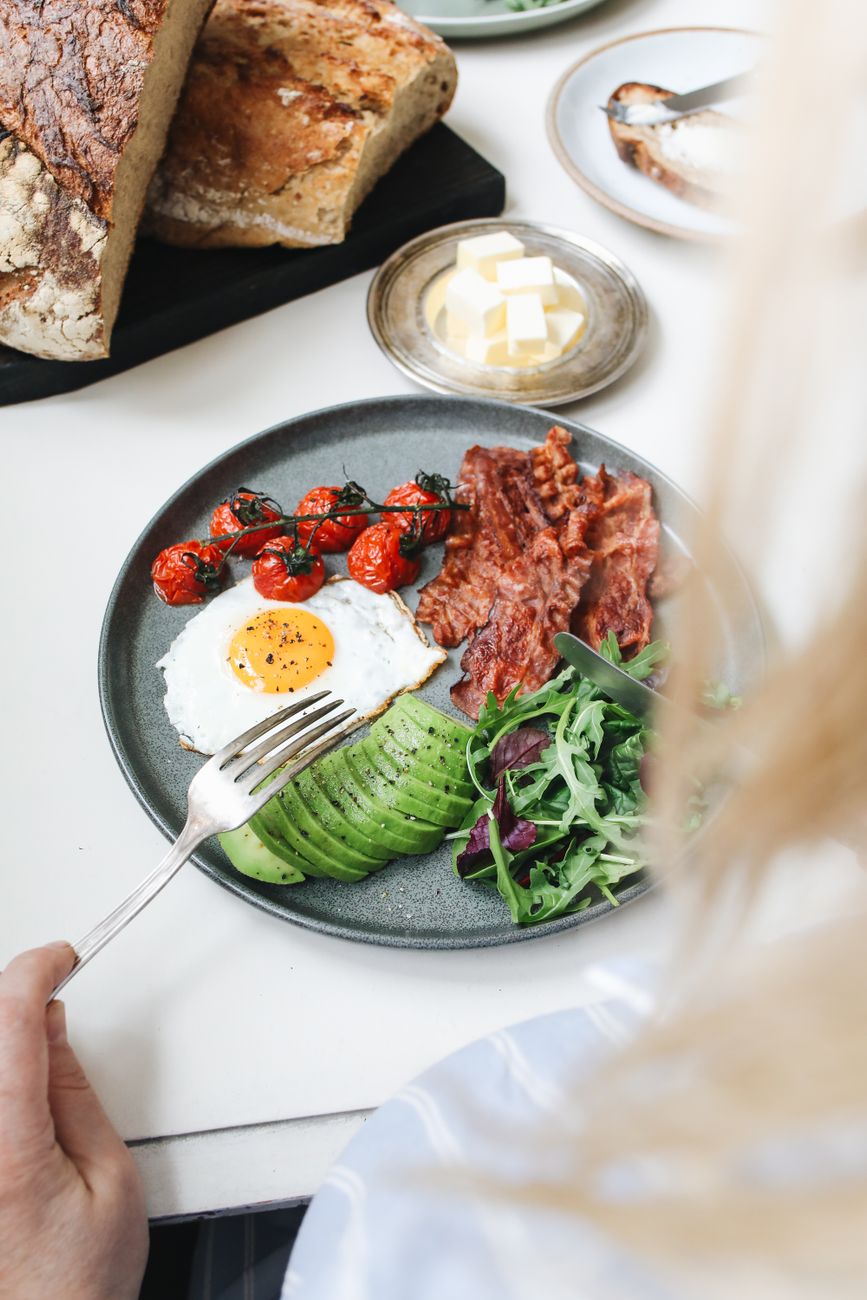
If this guide helped you get organized, the 30-Day Keto Meal Plan Blueprint expands everything here into a full month of structured keto meal plans, grocery lists, recipes, meal prep schedules, and practical support for staying consistent.
Final Thoughts
Keto meal prep gets easier once you stop chasing a perfect system and start building a repeatable one. Every mistake on this list is fixable, and most of them just take one or two weeks of small adjustments before they stop being a problem at all.
Results vary from person to person, and keto isn’t the right fit for everyone. If you have a medical condition or are unsure whether keto is appropriate for you, talk with a healthcare professional before making major changes to your diet. Long-term consistency matters far more than getting everything right in week one.
Bookmark this guide for your next prep session, and share it with a friend or family member who’s just starting keto. I’d love to hear in the comments: what’s been your biggest meal prep challenge so far? And if you want more support, take a look at the keto resources linked throughout this post for additional meal plans and guidance.
Affiliate disclosure: This post contains affiliate links. If you purchase through them, we may earn a commission at no extra cost to you.